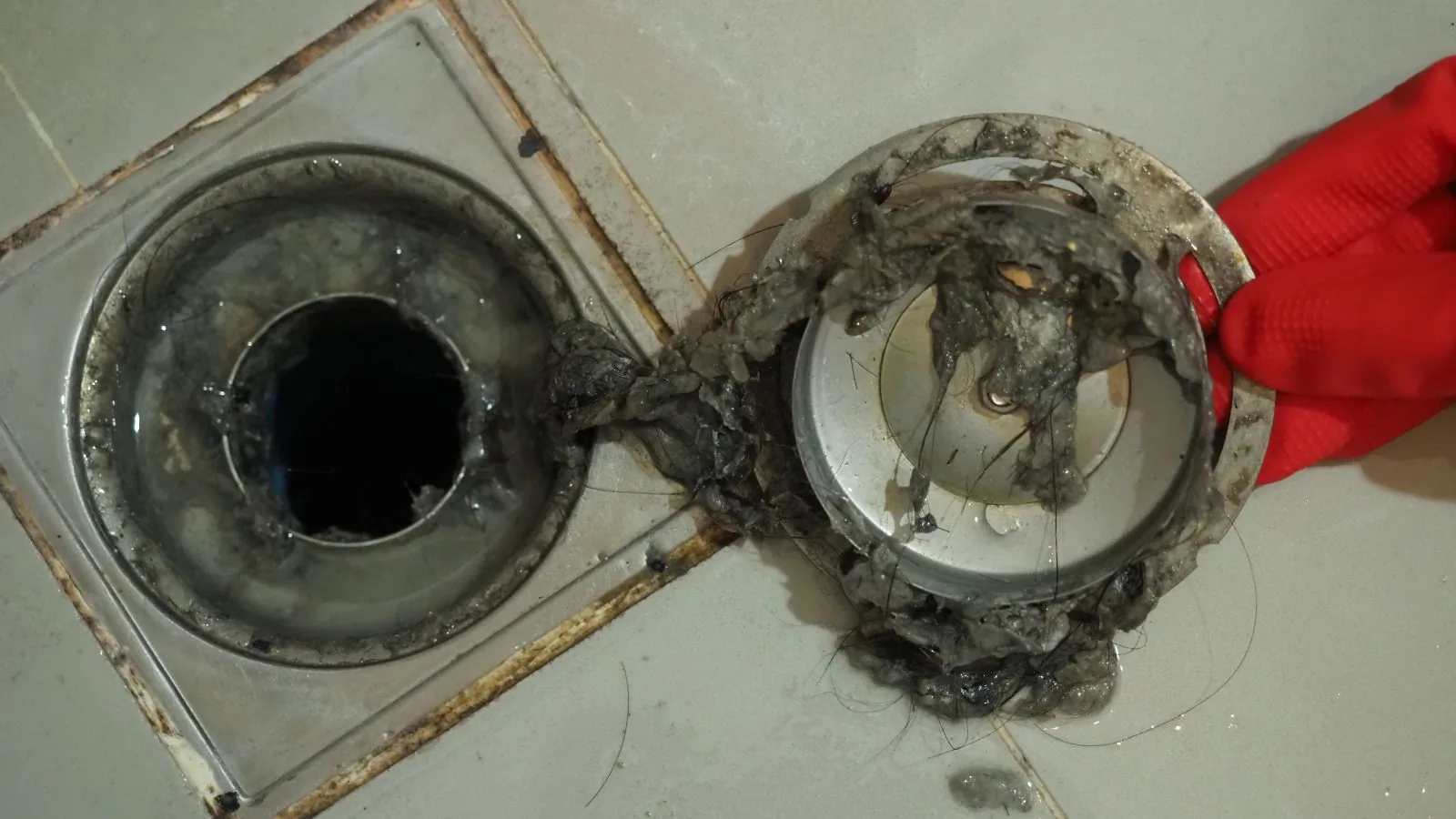
A sewage backup is the most hazardous kind of household water. Backed-up wastewater carries bacteria, viruses and parasites, and it contaminates anything it touches. Do not wade in, do not try to mop it up with household tools and keep children and pets away.
This page covers sewage and drain backups specifically. Standing clean water is on the water extraction page, and river or groundwater flooding, which is also contaminated, is on flood damage cleanup.
Water coming up from a floor drain or toilet: what is it?
People describe a backup as water rising in a floor drain, gurgling toilets or a dark, smelly puddle in a basement. In restoration terms that is Category 3 water, meaning grossly contaminated. The work that follows is containment, removal of porous materials, cleaning and disinfection, and then drying.
Sewage backup: what to do first
The priority is to keep people out of the water and stop adding more of it.
- Stop using sinks, toilets, showers and the washing machine so you do not feed the backup.
- Keep everyone out of the affected area, especially children, pets and anyone with a weakened immune system.
- If water is near outlets or the panel, stay out and call the electric utility before anything else.
- Open windows for ventilation if it is safe, and do not mix cleaning chemicals.
- Photograph the area from a safe distance, then call a plumber and our line.
Why backups happen
Backups come from a blocked lateral line, tree roots, a collapsed pipe or an overloaded municipal system. In older parts of Jeffersonville the city operates combined sewers, which carry stormwater and wastewater in the same pipe. The city says these date to about 1900 and cover roughly 989 acres of the older downtown, from Main Street west to the Clarksville line.
In heavy rain a combined system can be overloaded, which is one reason a lower-level drain can back up during a storm. If a backup happens during a storm, tell the plumber and the city wastewater department. The city can also confirm whether your street is part of the combined system.
How cleanup is done
Crews wear protective suits, gloves and respirators. They extract the liquid, remove porous materials such as carpet, pad, insulation and low drywall, clean hard surfaces and apply an antimicrobial treatment. The area is then dried with air movers and dehumidifiers.
The ANSI/IICRC S500 standard guides work with Category 3 water, and it is reasonable to ask any contractor whether it follows it. Contents are sorted into what can be cleaned and what must be discarded. See structural drying for the drying stage.
What not to do
- Do not run a household vacuum on sewage water.
- Do not bring wet items into clean areas of the house.
- Do not eat food that touched the water.
- Do not mix bleach with ammonia or other cleaners.
If any part of a wall is soaked with sewage, it will usually need to be cut out. Wall and drywall repair follows once the area is clean and dry.
What affects the cost
- Extent of contamination
- Water that spread through several rooms means more removal and more disinfection.
- Materials removed
- Carpet, pad and drywall exposed to sewage are discarded.
- Safety gear and labor
- Protective equipment and containment raise the labor portion.
- Drying duration
- Moisture readings decide when drying is complete.
- Plumbing repair
- Clearing the line is billed by the plumber or the utility.
We explain the scope in writing before work starts. Want your real number? Call (812) 642-7696 and describe what you see.
Insurance and your policy
A sewer or drain backup is often excluded from a standard homeowners policy unless you have added a sewer backup endorsement, and that coverage is usually capped. The Indiana Department of Insurance notes that sewer or drain backup coverage often excludes flood-related backup and is frequently limited.
Check your policy for a water backup endorsement. Keep photos and any plumber report, because the cause matters to a claim.
Frequently asked questions
Do you handle sewage backup cleanup emergencies at night or on weekends in Jeffersonville?
Yes. Sewage backups happen in storms at all hours, and the dispatch line is answered 24/7. Stay out of the water and call, and a same-day response is arranged when a crew is available.
Can I clean up sewage myself?
We recommend against it. The risks are real, and contaminated materials need proper disposal.
Is the whole basement a loss?
Not always. Hard surfaces can be cleaned. Porous materials that sat in sewage are normally removed.
How long does the smell last?
The smell stays until contaminated materials are removed and surfaces are cleaned and dried. Odor treatment is part of the job.
Who clears the sewer line?
A plumber or the utility. We handle the contaminated water and the cleanup.
Sewage cleanup near you
We serve Jeffersonville and nearby towns including Clarksville and Sellersburg.